You've probably spent hours searching for the best cellulite treatments, comparing before-and-after photos, and wondering why nothing seems to truly work. Before you try yet another cream, wrap, or gadget, it's time to get clear on what cellulite actually is — and what science says really makes a difference.
Spoiler: most of what you've heard is wrong. And once you understand the truth, you'll know exactly how to approach it.
What cellulite actually is (and why almost every woman has it)
Cellulite isn’t about fat or discipline, it’s about structure. Beneath your skin, fat cells are held in place by vertical connective bands called septae. When these bands pull down and fat pushes up, you get those famous dimples.
Since it’s a structural issue influenced by genetics and hormones, it affects up to 90% of women regardless of weight. To fix it, you can't just rub the surface; you have to address the circulation and tissue beneath.
Myth 1: Creams can dissolve or remove cellulite
Most topical creams that promise to remove cellulite at home contain caffeine, retinol, or firming agents that temporarily tighten the skin surface. They may reduce puffiness and slightly improve texture — but they cannot penetrate deep enough to break down the fibrous bands causing the dimpling. The effect? Mostly cosmetic and very short-lived.
Myth 2: Drinking more water makes cellulite disappear
Hydration is genuinely important for skin health, and dehydrated skin tends to make cellulite look worse. But drinking water alone won't restructure your connective tissue or improve lymphatic drainage enough to produce visible results.
Myth 3: Only overweight people have cellulite
This one might be the most damaging myth of all. Many slim and athletic women have significant cellulite, while some overweight women have very little. The determining factor is structure, not size.


The truths that actually matter: what reduces cellulite
Now that we've cleared the myths, let's talk about what genuinely works, and why.
Truth 1: Circulation is everything
One of the root causes of worsening cellulite is poor microcirculation. When blood flow to the skin tissue is sluggish, less oxygen and nutrients reach the cells, collagen production slows, and fluid tends to accumulate, making the dimpled texture more visible.
Truth 2: Massage works, when it goes deep enough
Cellulite massage has solid science behind it, but not all massage is equal. Superficial massage feels good but doesn't reach the fascia and connective tissue where cellulite forms. What does work is consistent mechanical pressure that:
- Stimulates lymphatic drainage
- Breaks down localized fluid retention
- Encourages better blood flow to the dermis and hypodermis
- Softens the fibrous bands that create the dimpled appearance


Truth 3: Vibration technology targets what other methods can't
Technology for cellulite has advanced significantly, and vibration-based devices represent one of the most promising frontiers in painless cellulite treatment. Here's the science:
Mechanical vibration, when applied consistently to targeted areas, does several things simultaneously:
- Activates muscle fibers beneath the skin, improving tone and firmness
- Stimulates blood flow at a microvascular level
- Encourages lymphatic drainage, reducing fluid that worsens the appearance of cellulite
- Promotes collagen synthesis over time with regular use
Used consistently, this is one of the most effective cellulite treatments available without a clinic visit, and one of the few that directly addresses the circulation and structural issues at the root of cellulite.

How Vibro Sculpt actually works on cellulite
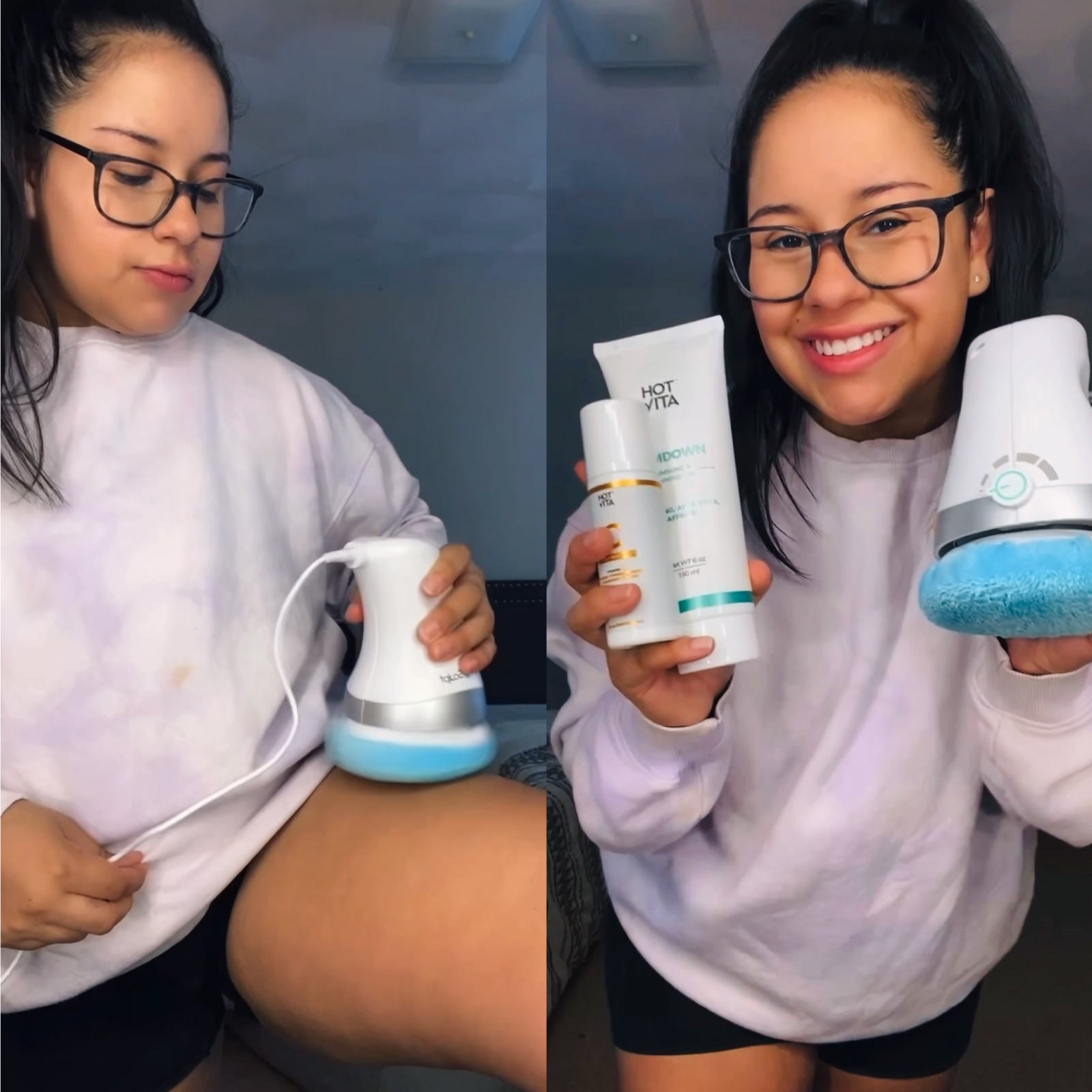
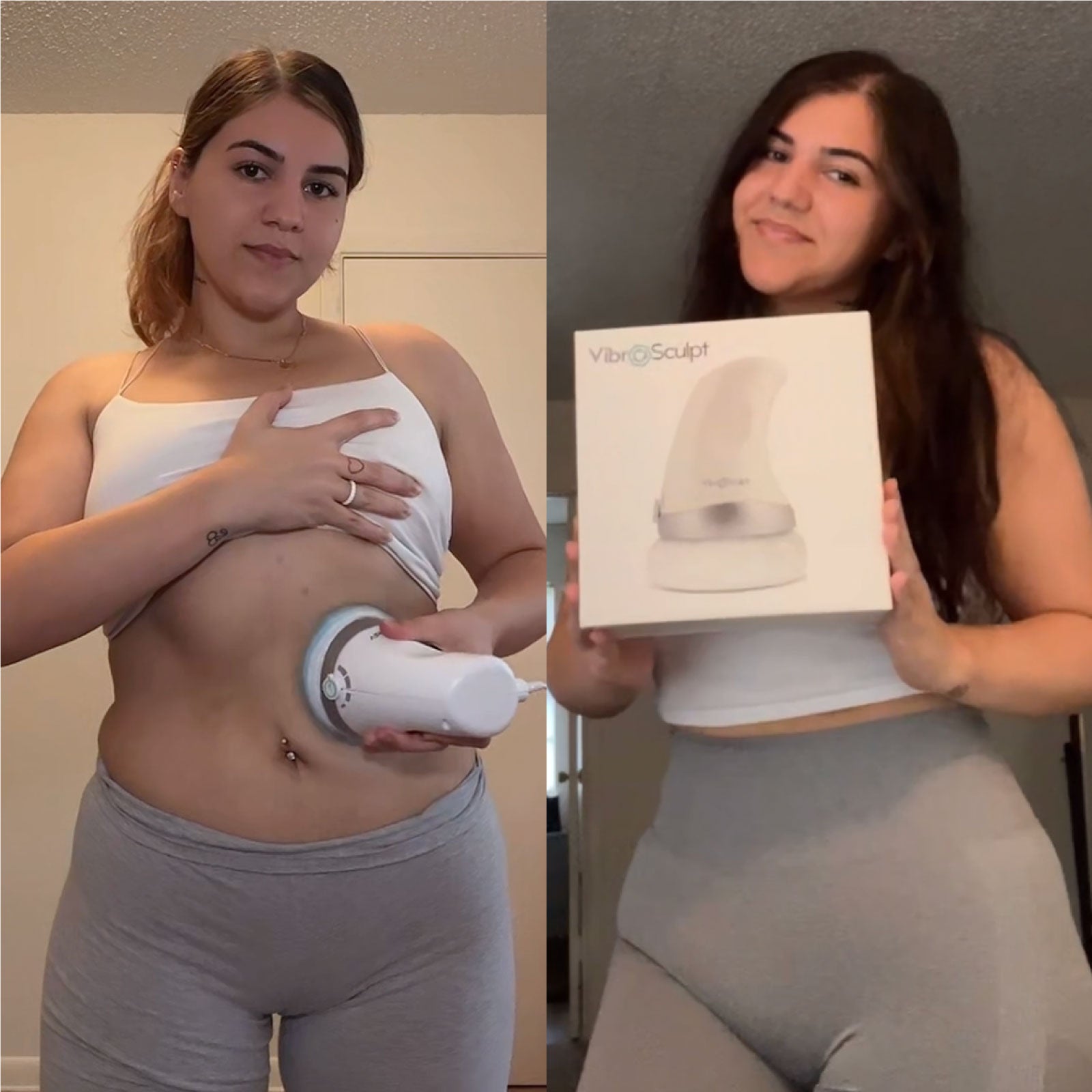
When you use Vibro Sculpt on areas like your thighs or abdomen, the oscillating vibration creates a rapid mechanical stimulation that:
- Increases local circulation significantly
- Activates the lymphatic system to drain excess fluid
- Gradually improves the skin's structural support from within


Non-Invasive vs. Surgical
Why are thousands of women switching to home-tech like Redu Sculpt?
| Treatment | Vibration devices | Topical creams | Dry brushing | Manual massage | Invasive procedures |
|---|---|---|---|---|---|
| Depth reached | Deep tissue | Surface only | Surface only | Medium | Deep |
| Stimulates circulation | Yes | Minimally | Briefly | Yes | Yes |
| Addresses connective tissue | Yes | No | No | Partially | Yes |
| Sustainable at home | Yes | Yes | Yes | Effort-intensive | No (clinic only) |
The home routine that actually makes a difference
You don't need a clinic to see results. Here's a simple, effective routine for removing cellulite at home:
Dayli:
- Stay hydrated (aim for 2L of water)
- Move your body, even a 20-minute walk improves circulation
3–5x per week:
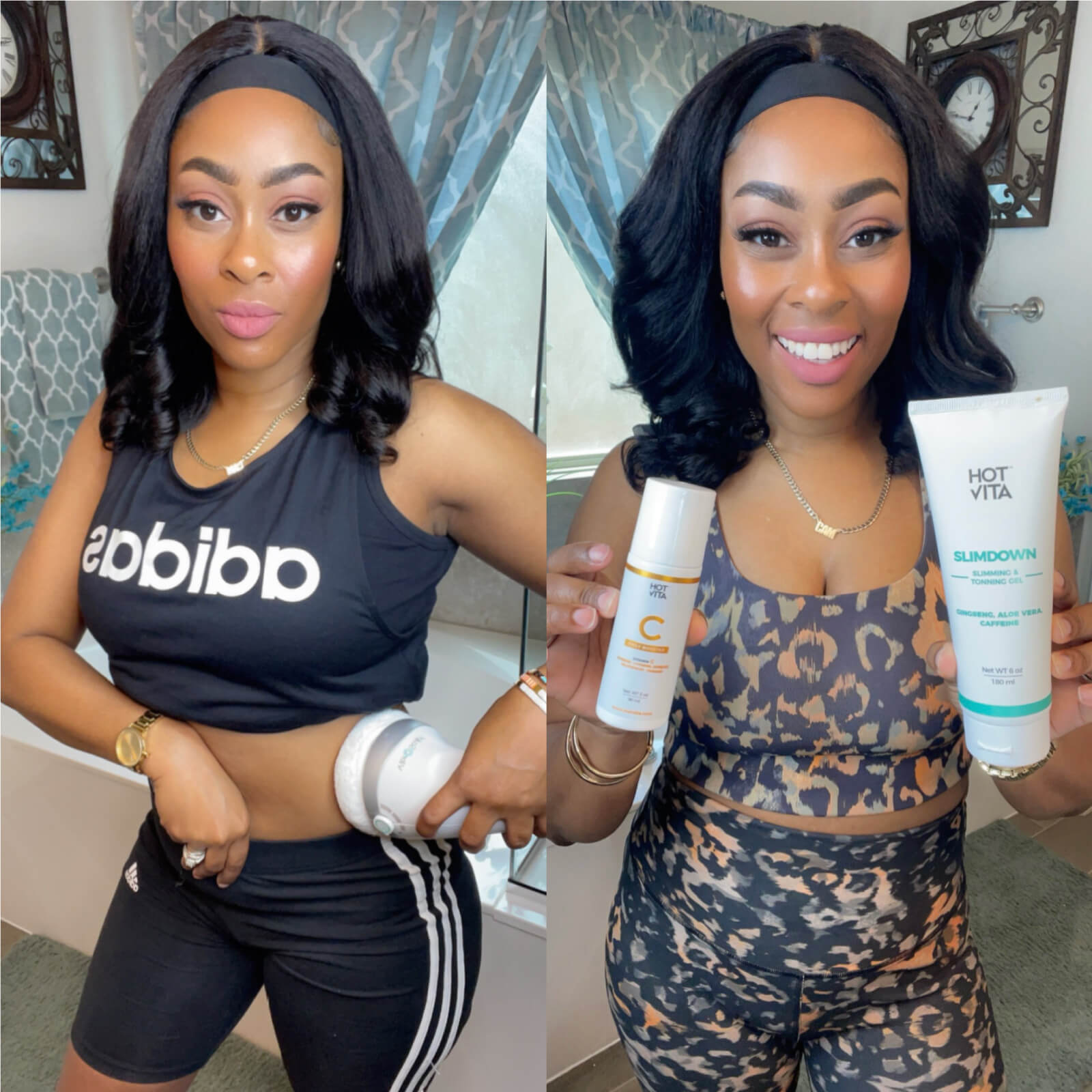
- Use Vibro Sculpt on target areas for 10–15 minutes per zone
- Apply a Vitamin C Oil after your session while skin is warm and receptive
Weekly:
- Focus one session on lymphatic drainage movements (inner thighs, back of legs)
- Combine with gentle stretching to improve tissue mobility
This routine addresses circulation, lymphatic drainage, and connective tissue stimulation the three pillars of genuinely reducing cellulite without invasive procedures.

FAQs about cellulite treatments
Can cellulite be completely eliminated?
Not permanently, in most cases. Cellulite is a structural condition influenced by genetics, hormones, and aging. However, its appearance can be significantly reduced and maintained with consistent non-invasive treatments that target circulation, lymphatic drainage, and connective tissue. The goal is visible, lasting improvement, not a one-time fix.
How long does it take to see results with a vibration device for cellulite?
Most users begin noticing changes in skin texture and firmness within 3 to 4 weeks of consistent use. More significant improvements in the appearance of cellulite especially on legs and thighs typically become visible between weeks 6 and 8. Results vary depending on the severity of cellulite and how regularly the device is used.
Is Vibro Sculpt safe for all skin types?
Yes. Vibro Sculpt is a painless cellulite treatment designed for home use and is generally safe for all skin types. It's a non-surgical, non-invasive device that works through mechanical vibration no heat, no needles, no chemicals. As with any wellness device, it's recommended to start with shorter sessions and increase gradually.